
A Restaurant Without a Management System: The Silent Risk
A restaurant without a management system is like a musician without a metronome: it sounds good, but eventually it will fall behind. Although it may sound exaggerated, in the modern hospitality world, this statement makes more sense than ever.
The Foundation of Success Remains the Same... But It No Longer Suffices
Anyone who has set foot in a restaurant knows that two things make the difference: the quality of the product and excellence in customer service. These elements will always be the foundation of success, but in an increasingly demanding and competitive environment, relying solely on them can be an unnecessary risk.
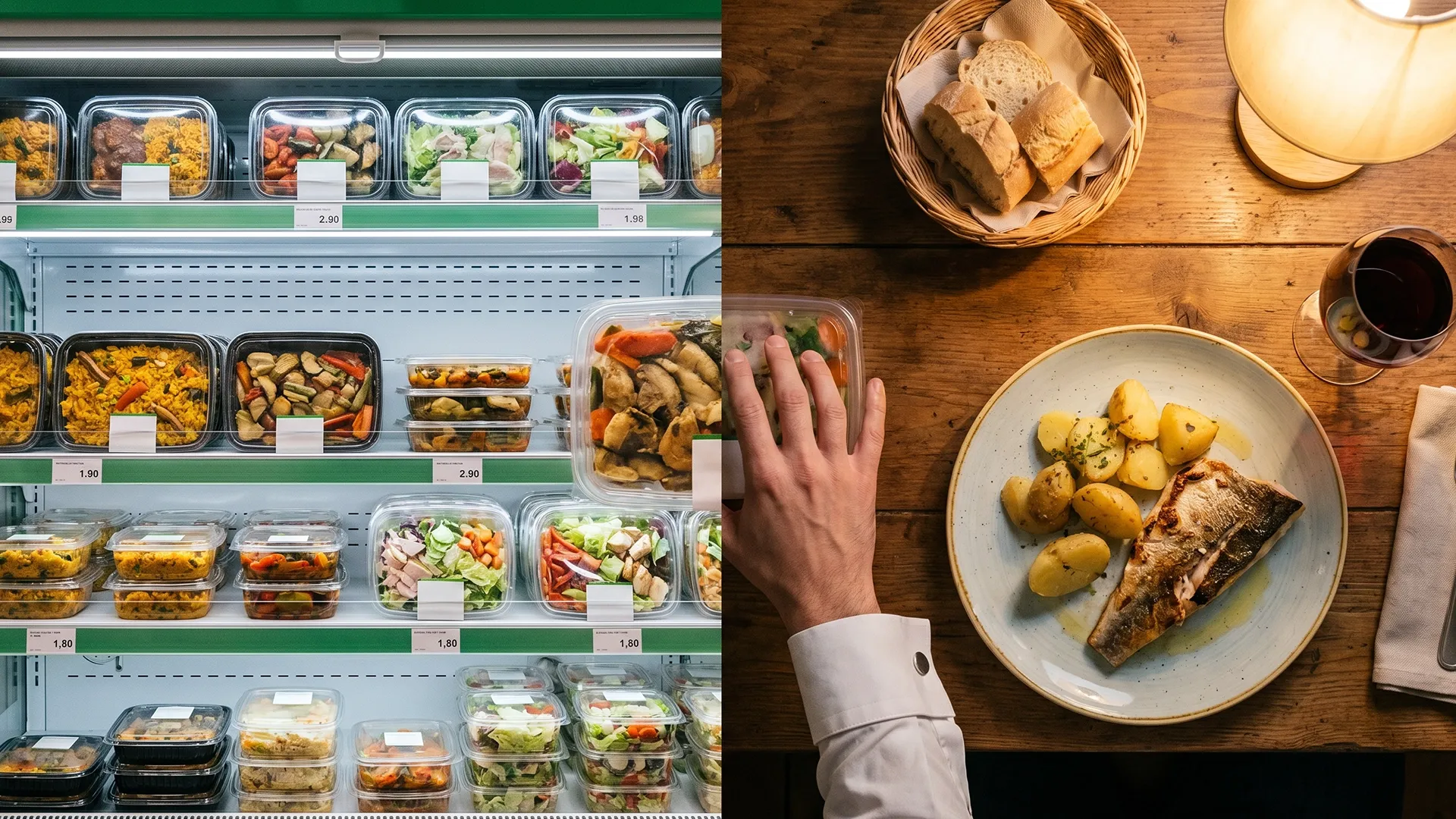
Picture the scene: your restaurant offers exceptional dishes, the ingredients are impeccable, and the team is attentive and friendly, but during peak hours the shadow of chaos begins to appear: orders are running late, reservations keep coming, and wait times make some customers' food start to taste bitter before they even try the first bite. All of this is not a problem with staff or products, but with how available resources are managed.
What a Specialized Management System Does
When we talk about a specialized management system, we are talking about a tool capable of integrating and centralizing all of a restaurant's essential operations. From employee management, reservation intake, order organization and coordination, to integration with external services like delivery orders, these systems allow transforming a good restaurant into an exceptional one.
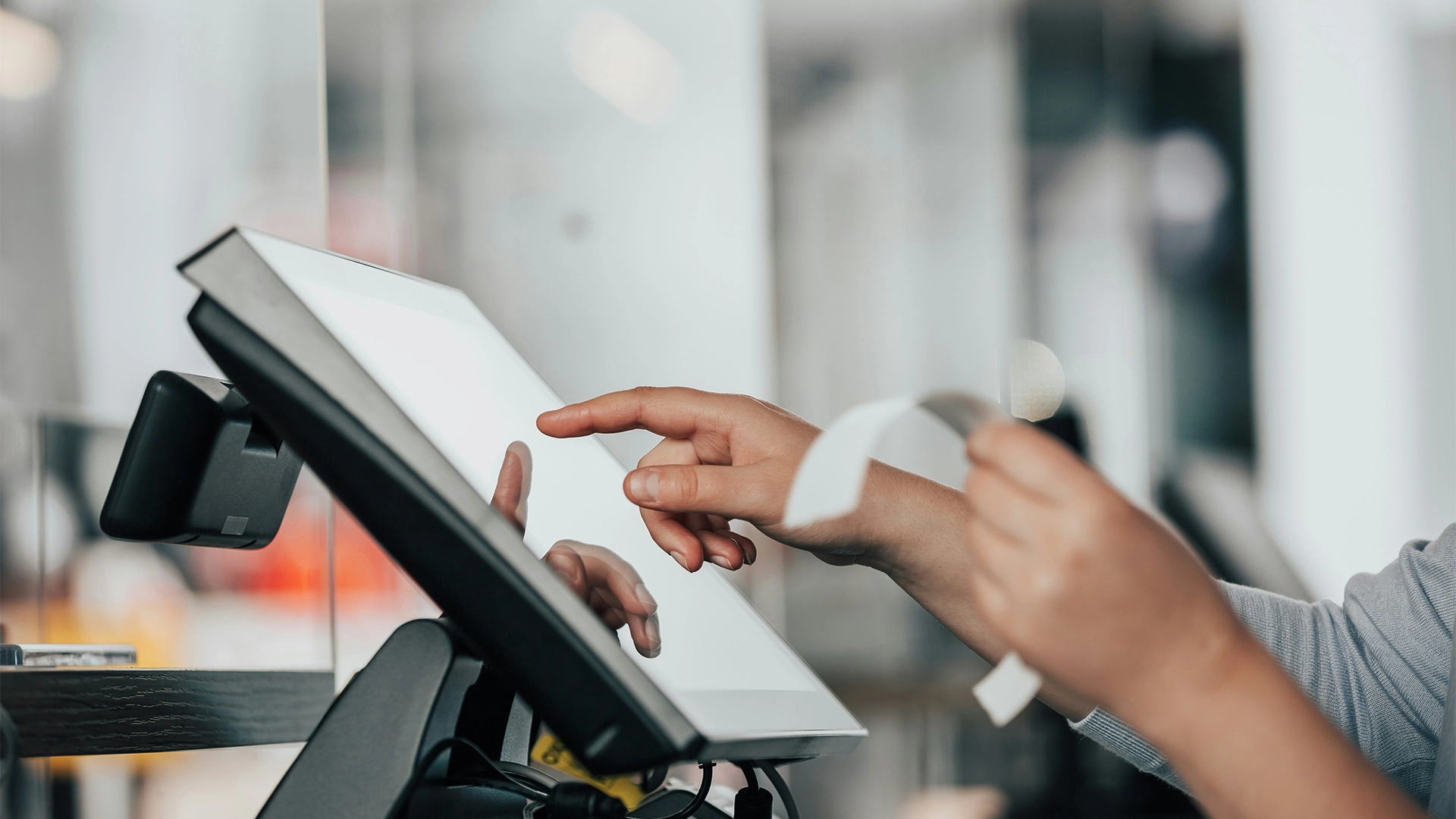
Think of your POS as the orchestra conductor bringing order to chaos, ensuring that every element of service is perfectly synchronized. Thanks to an intuitive and easy-to-use platform, employees can focus on providing personalized and genuine attention to each customer, trusting that administrative and logistical tasks are under control.
From Efficiency to Team Wellbeing
Moreover, this level of advanced management provides the restaurant with a series of crucial advantages for the business. The most obvious is operational efficiency, translated into fewer errors and greater speed, which automatically increases customer satisfaction. But there is another key factor, less visible yet equally important: information.
A management system not only organizes, but also analyzes. It provides metrics and statistics in real-time that allow identifying consumption patterns, customer preferences, and critical improvement points. Thus, every decision made will be based on concrete data and not on intuitions or assumptions.
But how does this really influence the customer experience? Very simply. By having detailed control of each area of the restaurant, from the kitchen to the dining room, diners enjoy a more fluid and personalized service. Wait times are reduced, reservations are honored on time, and employees have more time and energy to dedicate to what truly matters: making customers feel special.
Additionally, an effective management system also positively influences the well-being of employees. Work stress is considerably reduced when operations are well organized, which creates a healthier, more collaborative and pleasant work environment. This not only benefits staff, but is reflected directly in the quality of service that customers receive.
Profitability, Sustainability, and Scalability
Likewise, good management greatly facilitates inventory control, ensuring that ingredients never run out or go unused, optimizing costs and avoiding unnecessary waste. Stock control enables more sustainable management, something that customers increasingly value and which also directly influences the profitability of the business.
When Everything Flows, There is Management Behind It
Returning to the musician from the beginning, the key lies in harmony. A restaurant with an effective management system can constantly fine-tune its operations until finding that perfect balance between quality, efficiency, and attention to detail.
And when that happens, the customer perceives something intangible yet tremendously powerful: the feeling that everything is exactly as it should be.
Of course, no system replaces the passion, talent, and dedication of the human team, but it does maximize it and place it at the center of the stage. Technology is just another tool, but one capable of raising the quality of service to levels that would otherwise be difficult to achieve.
It is also important to note how a system can adapt and evolve together with the restaurant, facilitating its growth and expansion. From small independent establishments to large chains, the ability to scale processes and adapt to new challenges is fundamental. A good system enables precisely that: flexibility and immediate responsiveness to any circumstance.
Another fundamental advantage is the ability to anticipate future scenarios, getting ahead of the restaurant's needs before they become real problems. From occupancy forecasting to accurate estimation of order volume on special dates or events, good management allows you to always stay one step ahead.
Last.app is a clear example of this type of system, specially adapted for the hospitality industry. Its ease of use, integration capacity, and versatility make it an optimal choice for any type of restaurant, from small independent establishments to large chains, enabling efficient management of all key business areas.
So the next time you enter a restaurant and feel that everything flows naturally, remember that probably behind that memorable experience there is something more than good food and excellent service: there is good management. And possibly, behind that good management, there is attention to detail, care, analysis, and very intelligent use of technology.