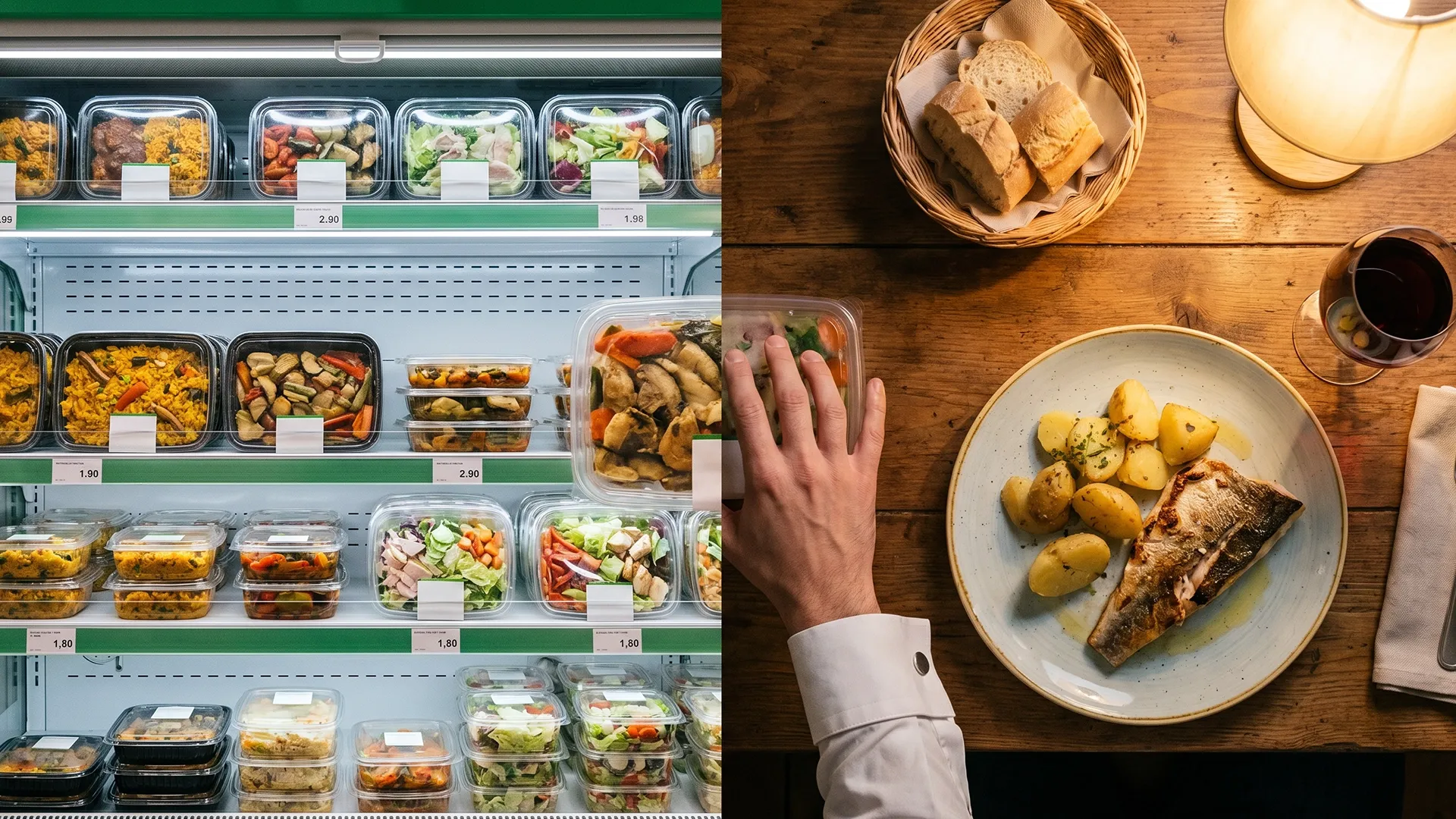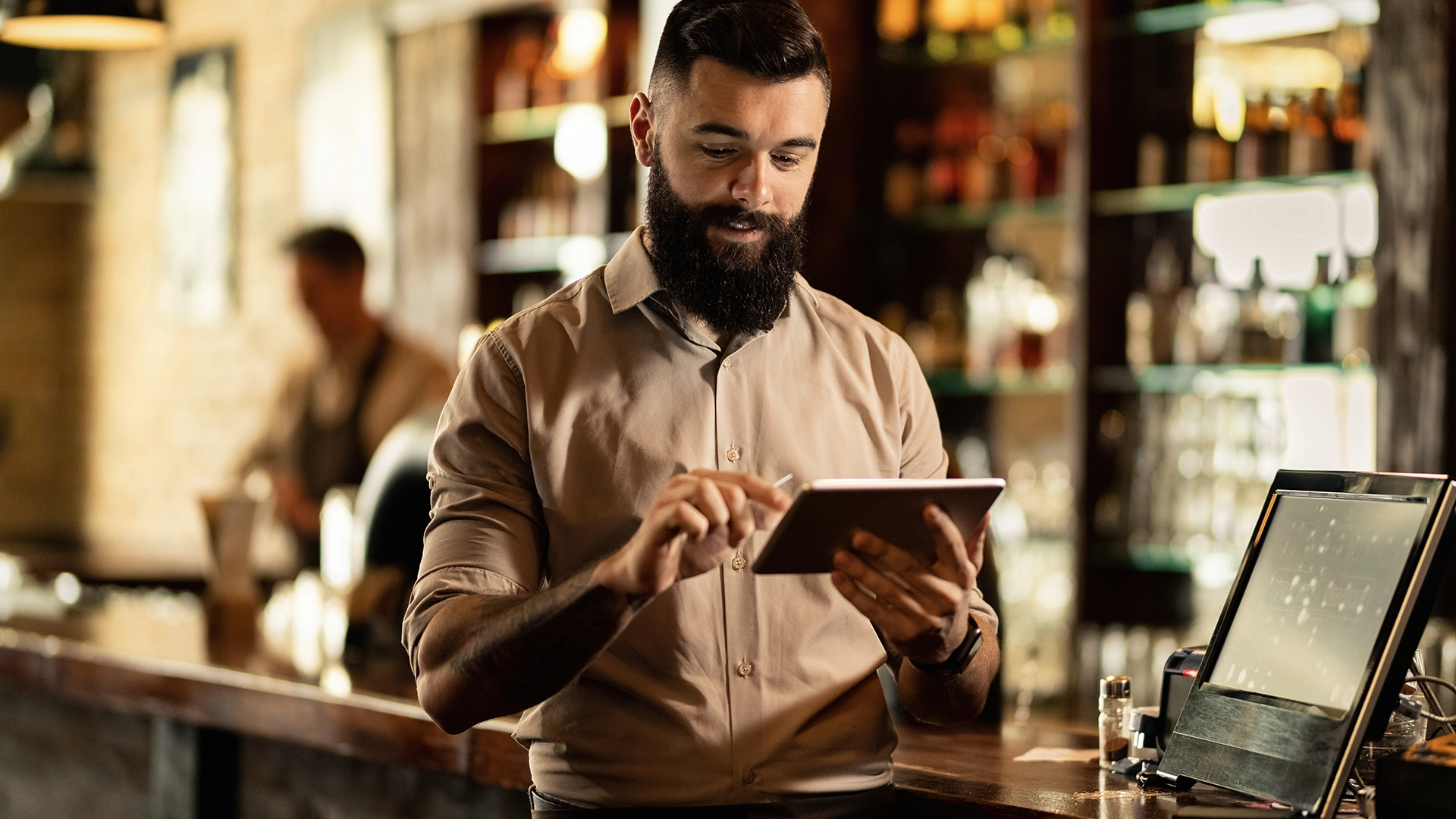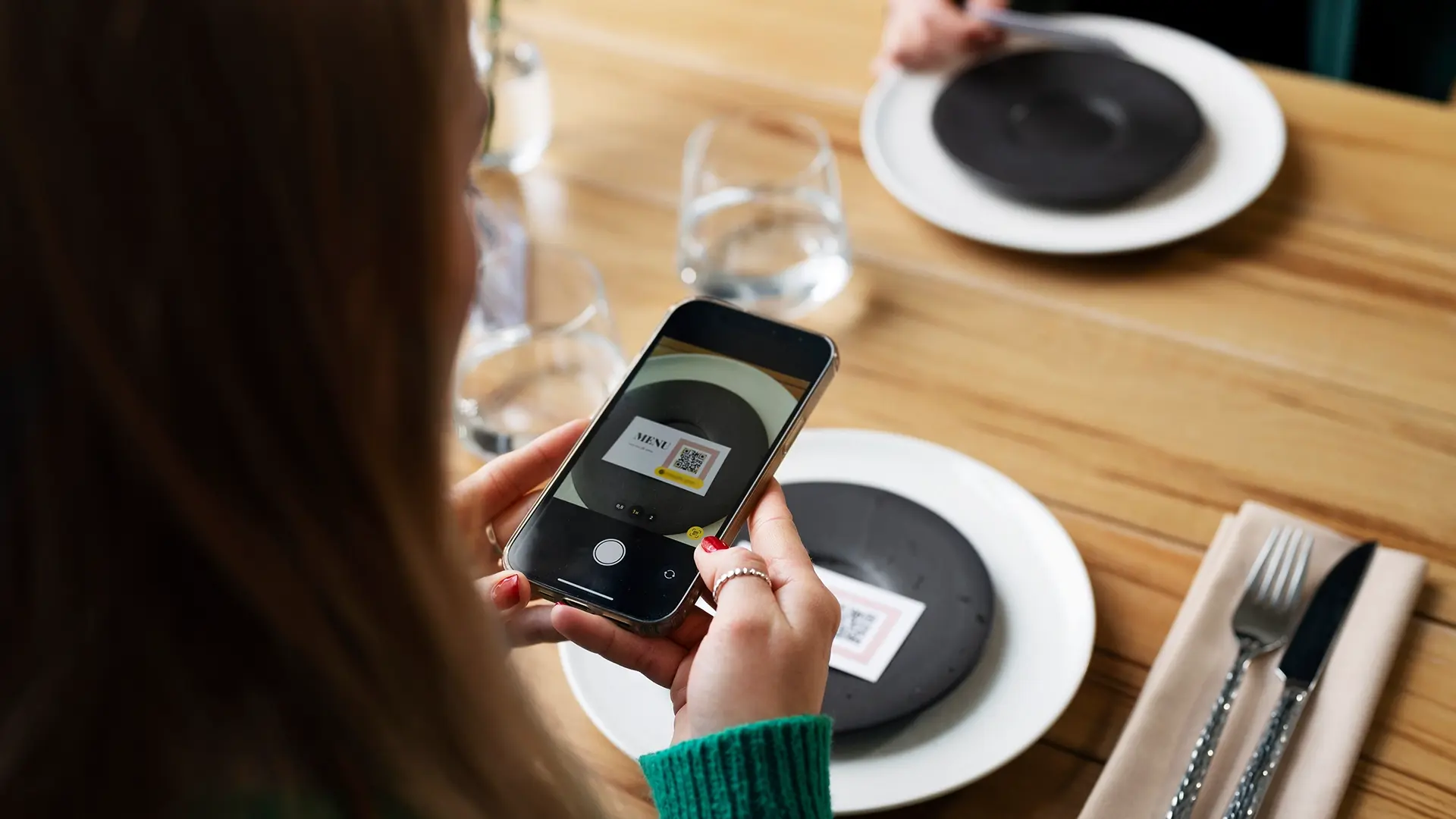


In the global gastronomic ecosystem, we find ourselves at an inflection point. For decades, restaurant management was based on intuition and manual processes that, although romantic, are now inefficient in a hypercompetitive market. Digitalization is not simply a technological trend; it's the foundation of operational renaissance transforming hospitality into an intelligent, profitable, and sustainable industry.
Below, we analyze how digital platform integration is defining the present and sculpting the future of the sector globally.
1. The Present: The End of "Technology Chaos"
Currently, many businesses suffer from what is known as "technology chaos": isolated systems that don't communicate, forcing managers to duplicate tasks and lose valuable information. Current digitalization focuses on solving this through:
- Intelligent Cost Management (OCR and AI): Gone are the hours manually entering invoices. Optical Character Recognition (OCR) tools allow automatic digitalization of delivery notes and invoices, directly linked to inventory control and profit margins.
- Data Unification: Centralizing recipes, waste, purchases, and sales on a single platform creates a "single source of truth". This eliminates discrepancies between what's purchased and actually sold.
- Total Integrations: The ability to connect the POS with delivery platforms, loyalty systems, and HR tools in the cloud is what makes software work for the restaurateur, not the other way around.
2. The Future: The Era of Predictive Analysis and Hyperpersonalization
By 2026, digitalization will stop being optional and become the business operating system. The future brings us:
- Dynamic Menu Engineering: Interactive dashboards won't just show what happened, but suggest menu changes based on real-time dish profitability and popularity.
- Predictive AI: Using algorithms to predict weekly demand enables optimizing staff shifts and supplier orders, drastically reducing food waste and operational costs.
- 360° Customer Experience: Data integration enables knowing each diner's exact preferences, offering personalization previously only possible in ultra-luxury establishments.
3. Positive Impact: Why Digitalize Today
The impact of this digital leap is tangible and multifactorial:
- Sustainable Profitability: Controlling cost deviations and waste through automatic alerts protects profit margins from market fluctuations.
- Transparency and Veracity: Decision-making stops being "by eye" and is based on solid data. This generates trust not only in management, but also with partners and tax institutions.
- Quality of Life: Automating tedious administrative tasks allows the team to focus on what truly matters: hospitality and culinary excellence.
- Real Sustainability: Efficient stock management reduces food waste, aligning the business with growing global environmental demands.
In Conclusion...
Global gastronomy is abandoning paper and pen to embrace unprecedented technological maturity. Those businesses implementing cloud systems, unifying data, and using dashboards to monitor financial health will not just survive, but lead the sector.
Technology is the ingredient that allows passion for cuisine to translate into a prosperous and scalable business. The future is cooked with data.