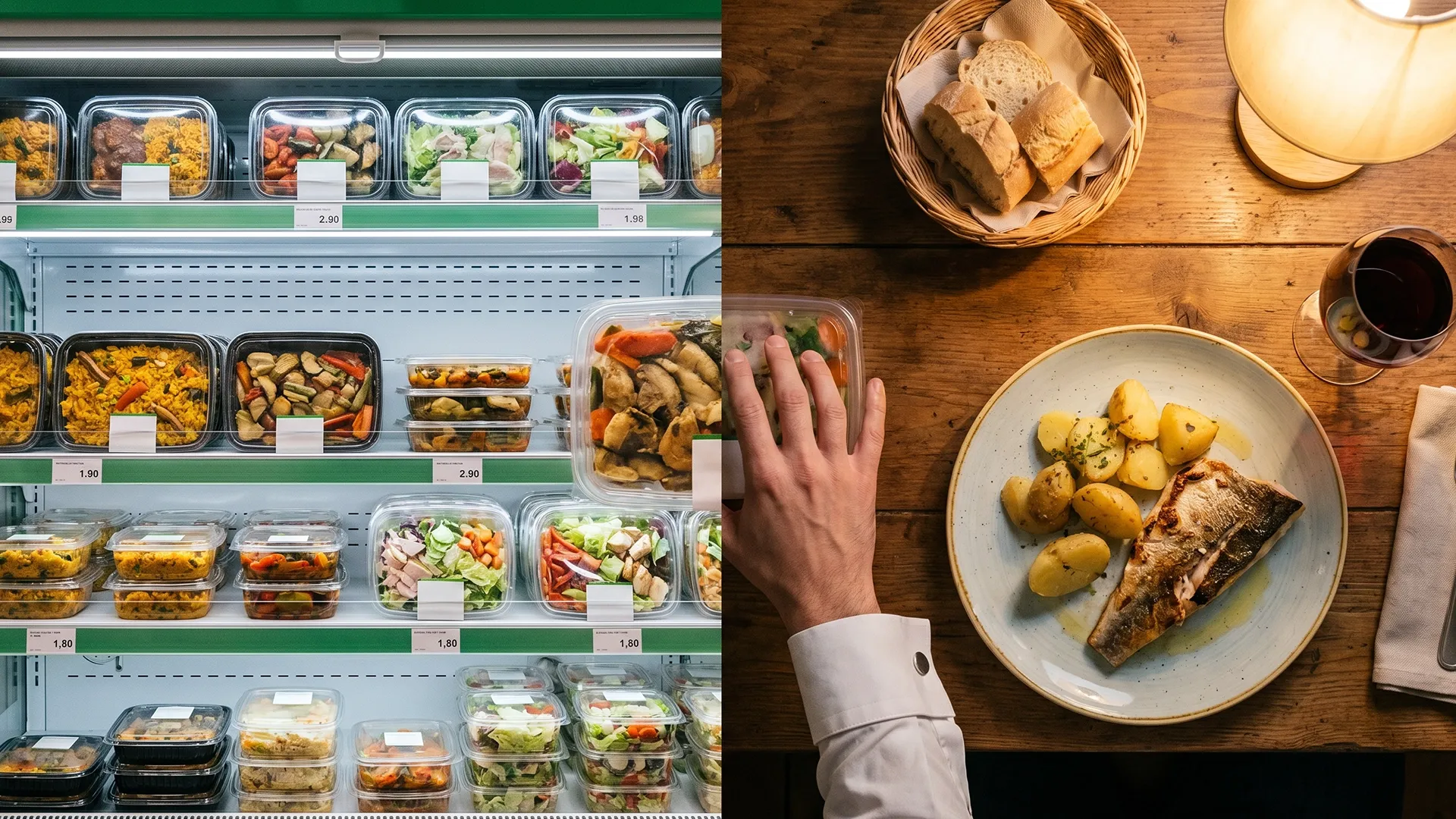
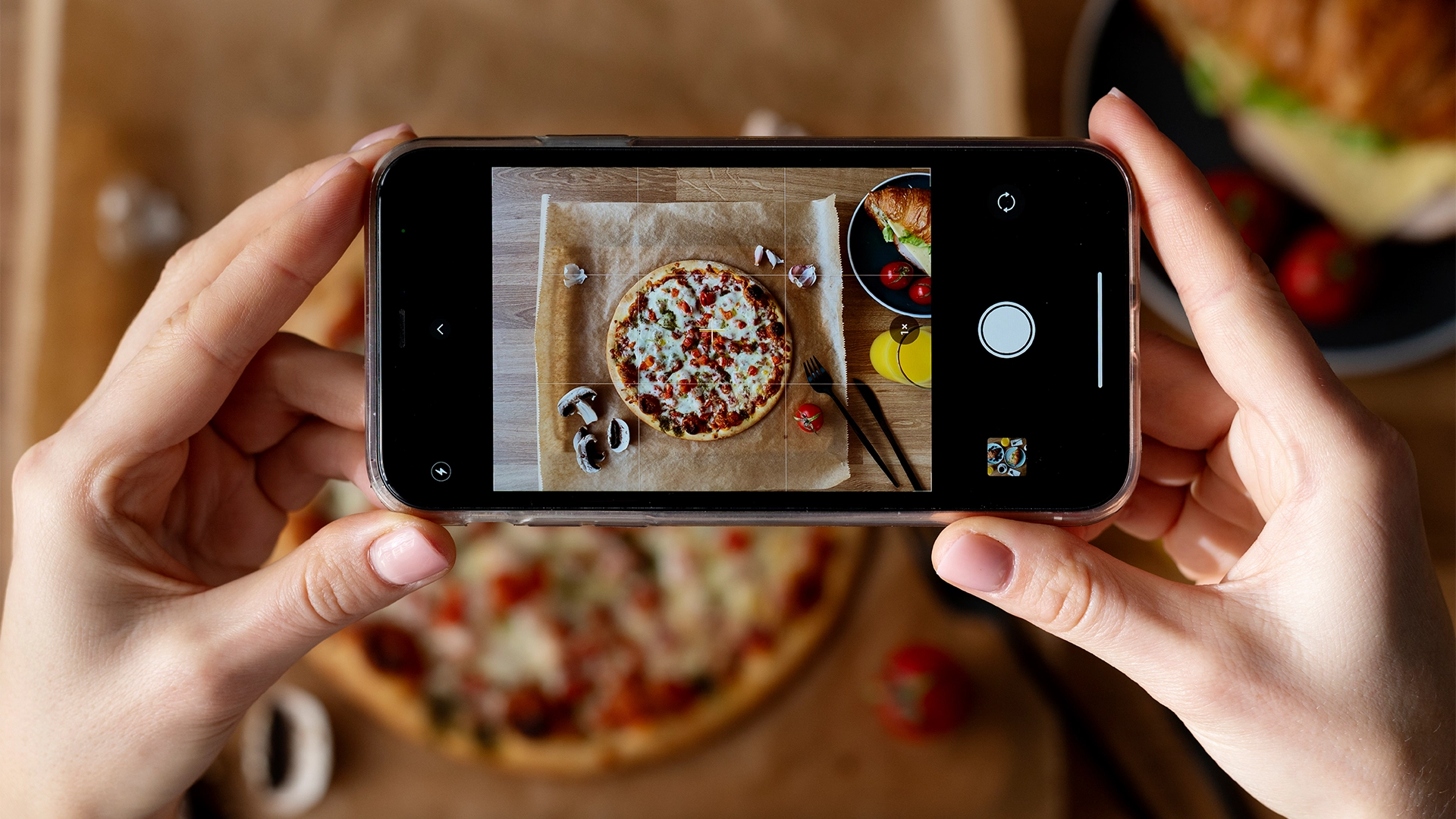

In a context where competition is fierce, customer loyalty is scarce, and consumption decisions are increasingly emotional, the restaurant industry faces the challenge of evolving. And it is. Simply cooking well is no longer enough: now you must also communicate well. And in this, video is the new secret ingredient.
Eating with Your Eyes: From Paper to Video
Traditionally, a restaurant's menu was simple paper or, at best, a PDF accessible through a QR code. But that static, outdated experience no longer connects with today's diner. We're immersed in platforms like TikTok or Instagram, where visual content, especially short video, dominates our decisions and emotions.
The big brands know it: Zara has included videos in its e-commerce to better showcase its products. Glovo and TikTok Shop already use video to sell directly. So, why do we still choose what to eat with text and static images?
Transforming the Menu Into an Experience
The first platform that transforms a restaurant's menu into a digital video experience offers a clear proposition: if diners are accustomed to consuming video content in all aspects of their lives, they should also do so when choosing what to eat.
Through an interactive menu accessible from mobile, the customer can see each dish in video. From preparation, plating, and texture, to the restaurant atmosphere and the story of each product. This not only generates more desire to consume, but increases conversion: seeing the dish makes the customer willing to pay more for it.
Leading restaurants are already using digital menus to improve customer experience and differentiate themselves in the market.
The Impact of Video on Ticket Average
Digital marketing studies have already shown that video content can increase sales between 30% and 80%. In the hospitality sector, this translates to an increase in ticket average thanks to more impulsive and emotional purchasing decisions. For example, showing a signature wine or special dish in video can motivate the diner to choose premium options.
But beyond economics, video improves experience: the customer better understands what they'll receive, trust is generated, doubts are reduced, and their senses are stimulated even before tasting the dish.
A Marketing Tool in Real-Time and Smart Management
Another benefit of a video menu is the ability to update it in real-time without printing costs or delays. This allows restaurants to quickly adapt to changes in prices, product availability, or even seasonal trends.
And speaking of smart management, it's important to note integration with tools like Prezo, which enable efficient management of raw materials and production costs. This synergy facilitates agile decision-making: if the price of a raw material changes, the restaurateur can instantly update the price in the digital menu from the administration panel, maintaining profitability without affecting customer experience.
Content, Networks, and Reservations: A Cycle of Attraction
A restaurant can turn each dish into valuable content, which can be published as Reels, TikToks, or Stories, attracting new customers and strengthening its digital community. Additionally, integration with platforms like Google My Business or reservation apps helps close the attraction and conversion cycle.
More Visibility, More Reservations, More Profitability
The ultimate goal is clear: have more customers and have each customer consume more. And for that, you must stand out. In a saturated market, differentiation comes through offering memorable experiences from the first contact.
A video menu positions the restaurant as innovative, approachable, and adapted to new times. It's a way to communicate values, showcase the best of the cuisine, and activate emotions in the diner before they even sit at the table.
Conclusion: The Future is Already Underway
Video has proven to be not just an aesthetic resource, but a strategic lever for improving the gastronomic experience, increasing profitability, and positioning the restaurant at a new level.
In a world where everything comes in through the eyes, why continue offering menus that can't be seen?
Transforming the menu into video is not a fashion. It's a natural evolution. And those who adopt it first will devour the future.