
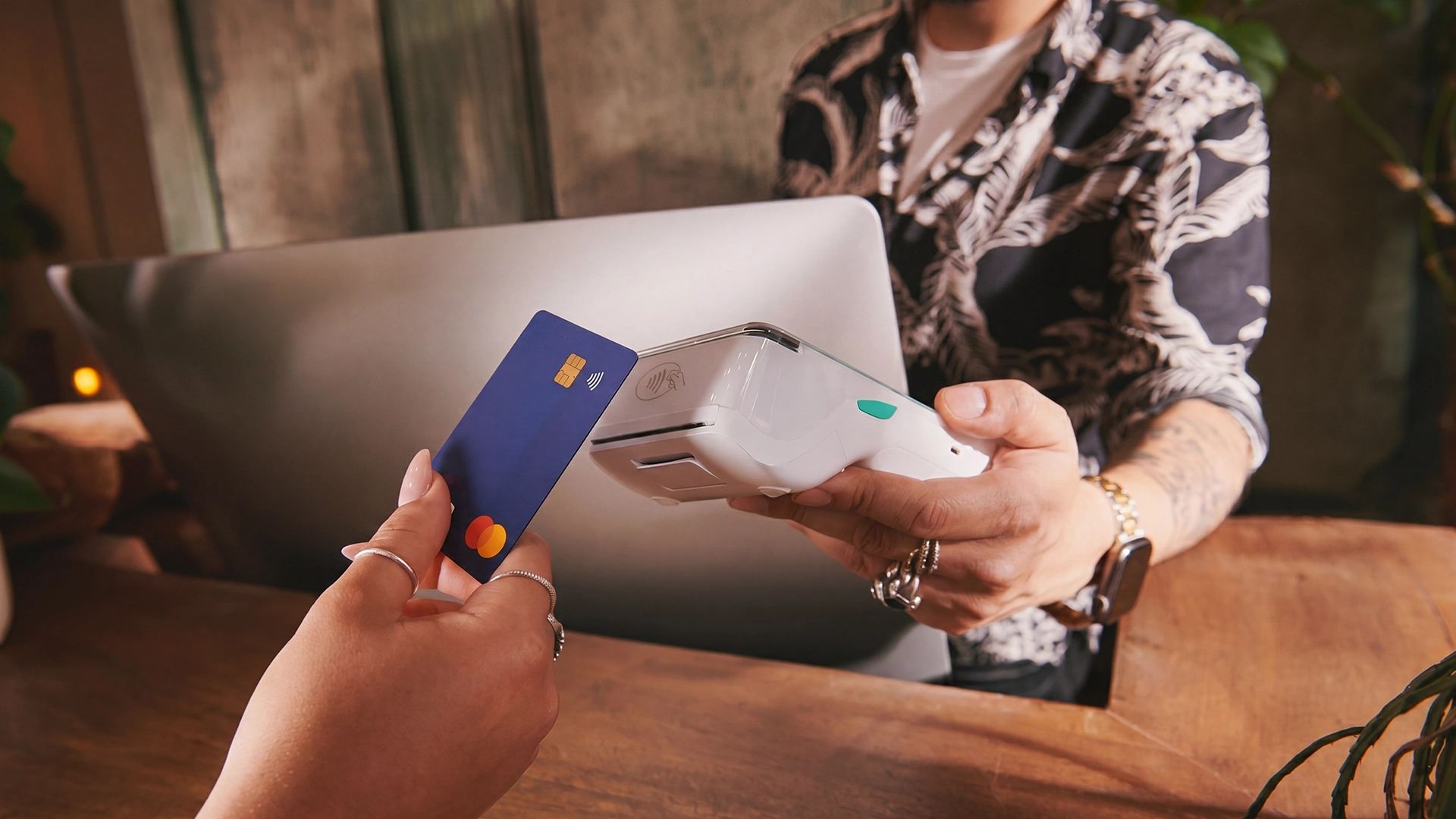

Duplicates, lost receipts, and hours reconciling the till are invisible losses dragging down profitability. Understanding why automating and connecting payment terminals to your POS is key to impeccable management.
When manually crossing tickets and bank statements, discrepancies are inevitable. These invisible losses arise from errors made daily: duplicate collections due to service urgency, lost tickets that aren't accounted for, or amounts incorrectly entered that don't match deposits.
Using different disconnected terminals distorts actual revenue and turns till closing into an exhausting task. Below, we analyze these problems and how payment integration enables exact bank reconciliation with ease.
The Real Reason for Invisible Losses: Reconciliation Errors to Avoid
- Duplicate charges during busy periods: During high-volume peaks, lack of synchronization can lead to double charging, generating bothersome refunds, discrepancies, and customer complaints.
- Amounts that don't match: Manually entering the price in the payment terminal is a risk. A simple decimal error can eliminate the profit margin of an entire service.
- Lost or unrecorded sales receipts: If a receipt is lost or forgotten in the system, that income remains unbalanced and complicates till reconciliation.
- Lack of control in cash movements: Not properly recording the flow of coins and bills, especially when giving change or using the till, leads to another discrepancy.
- Use of multiple isolated payment terminals: Charging with several terminals not connected to the central POS creates a large sum of tickets and closings from different machines, multiplying chaos and the risk of losing track of money.
The "Hidden Cost": the Real Impact on Your Time and Efficiency
Beyond money, the impact is measured in time and wellbeing. Consider, for example, the case of a restaurant with three independent payment terminals. Before integrating payments, the team spent an average of 45 minutes each night reconciling tickets. After integration, closing became automatic, saving an average of 5 hours of staff time per week.
This saving translates to:
- Eliminating closing stress: Facing a till that "almost balances" generates frustration in an already tired team.
- Goodbye to manual reconciliation: Reviewing mountains of tickets against bank statements is an obsolete and error-prone process.
- Better customer experience: An agile system avoids checkout queues and invoice errors, directly impacting business reputation.
The Solution: Integration and Automation
Integrated payments connect your POS with the payment terminal in an ecosystem that automates collection, eliminating the manual entry process and ending human error. By synchronizing both systems, information travels error-free and reciprocally, allowing centralization of financial data and ensuring till closing and reconciliation remains exact.
Adopting next-generation solutions enables technology to be within reach of any business, ensuring focus remains on what matters most: customer experience.
Payment integration is often the first step toward complete digital transformation. When collections flow without friction, it's easier to connect other business areas like staff scheduling or customer loyalty programs.
Having a 360° view of what happens in your location—from order entry to income reconciliation in the bank—not only stops invisible losses, but gives you total control to make decisions based on real data, ensuring long-term financial health and business growth.