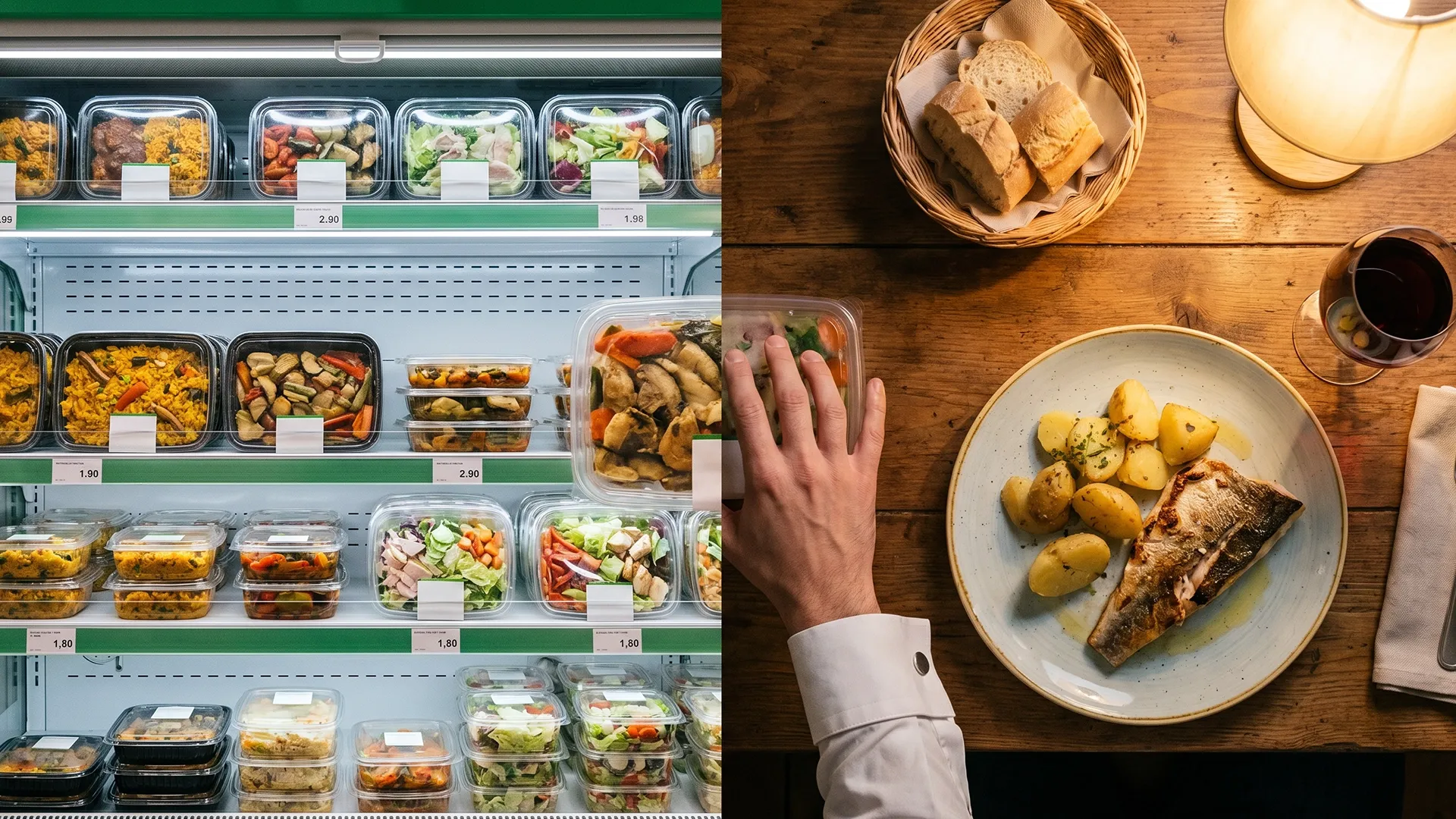

Digitalization in restaurants enables optimizing service, reducing errors, and facing server shortages with mobile ordering and payments.
"When you're short on staff, you don't need to go faster: you need a system that accelerates time for you. Technology doesn't replace your team, it empowers your business"
In recent years, managing a restaurant has become difficult.
High staff turnover and server shortages have made hiring qualified personnel nearly impossible. Facing this reality, the question is no longer "Can I hire more people?", but "How do I maximize what I already have without losing service quality?"
Here's where digitalization in restaurants comes in, not to replace human service, but to free up time, reduce errors, and make every minute count.
Below, we'll tell you five operational problems damaging your business, and explain how a digital solution like mobile ordering and payment can completely change your location, even when your staff is smaller than desired.
1. Slow Collections: Accelerate Service With a Digital Ordering System
Waiting 10-15 minutes just to pay after eating causes tremendous frustration. Every minute of wait is an impulse sale that evaporates: desserts, coffees, cocktails. The reality is customers only want these if they can have them immediately.
When staff is limited, this wait multiplies and not only worsens customer experience but also hurts profits. Reducing the ordering and/or payment process from 12 minutes to 4 can increase revenue by €300 or more per week just by streamlining one service stage!
Offering a digital autonomous checkout system from mobile, without apps or waits, is one of the best restaurant digitalization solutions on today's market. Especially when staff is stretched thin.
2. Ordering Errors: When Time Shortage Becomes Mistakes
Another consequence of overloaded staff is high numbers of ordering errors. Server shortages generate mistakes: confusion, rushing, illegible writing. Each error costs money, reputation, and customers. Plus, the business feels responsible for compensating the diner for long waits after order mistakes, or simply they leave with a bad experience that doesn't invite them back or recommend the location.
If a business had an average cost of €7 per error, with 15 errors per month that's a loss of €105 plus a progressively lower online reputation.
Using a digital ordering system from the table significantly reduces these mistakes and allows better automation of the restaurant**, freeing up staff time for priority tasks.**
Fewer errors = more satisfaction = more positive reviews.
3. A Terrace Difficult to Manage Without Enough Staff
Managing a terrace well requires near-constant staff presence. But if there isn't enough personnel to attend diners, it becomes a slow and unprofitable zone due to time wasted going back and forth. Plus all those unattended tables right when demand is highest!
Mobile ordering and payment solutions enable automating tasks, improving service flow, and optimizing attention without needing a waiter hovering over each table at all times.
4. Restaurant Service Optimization and Cost Reduction
Lack of automation tools makes planning difficult, generating unnecessary personnel costs during low-demand hours and absence during high-demand peaks.
Just one unnecessary hour daily can add up to €500 in monthly costs! Instead, a key tool in optimizing restaurant service is including a service that automates tasks. This lets each waiter cover more tables without being overwhelmed. This translates to better shifts and personnel costs adjusted to proper work management.
5. Menus That Don't Sell Due to Lack of Visibility
If the customer can't clearly see the menu, doesn't know what a dish includes, or whether it's possible to add or remove ingredients; they usually order less. A fact that directly affects the business's ticket average.
An interactive digital menu lets customers explore at their pace, discover new dishes through photos, and add extras naturally without depending on a waiter. It's proven that clear images and descriptions reduce returns and multiply positive reviews, plus the cost reduction from each menu printing.
Restaurants that have adopted this menu model in their locations have achieved increases in their ticket average of up to 20%.
Example Already Working
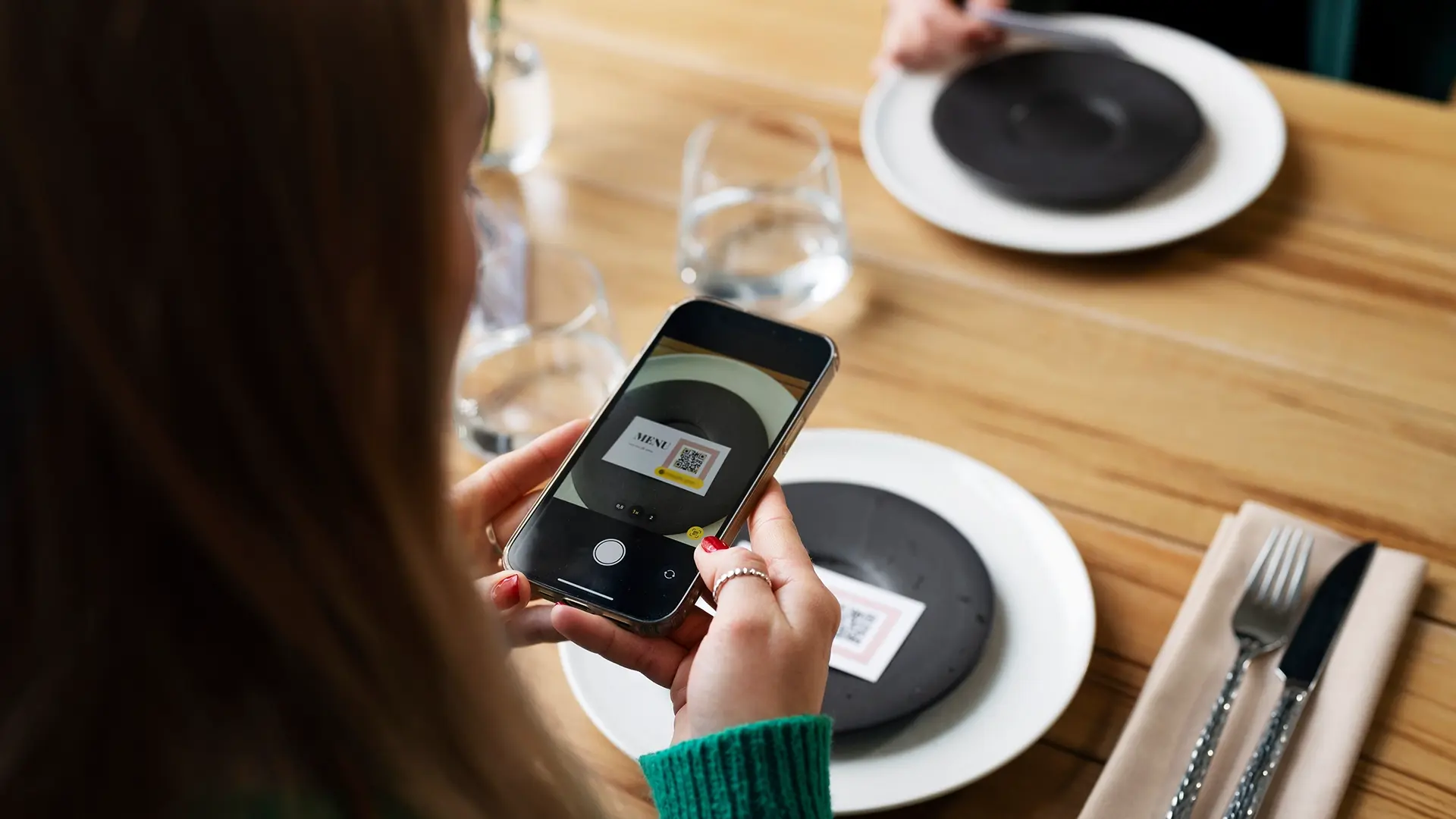
A solution as easy as Foodlus lets customers see the menu, order and pay from their mobile without registrations or external app downloads.
The process the diner follows is simple:
1. Sit at the table.
2. Scan the QR.
3. Select products and place their order.
4. Pay from their device.
The rest is summed up in 3 simple steps:
1. The POS receives the order and prints it automatically.
2. Kitchen prepares the dishes.
3. Waiters serve.
For the restaurant, this process translates to fewer tasks for staff, more agility in service, and less saturation at key service moments even with few waiters on staff.
With Few Waiters, Have a Better System
In a context where staff is needed and customer demand doesn't wait, implementing digitalization in restaurants is not a whim or luxury; it's an intelligent way to run your business. It's not about replacing human service, but streamlining restaurant flow so each worker focuses on those details that make the difference: treatment, attention, and customer experience.
Investing in these simple yet effective tools is one of the most practical decisions a restaurant manager can make today. Because when staff is short, what's most needed is a digital ordering system that facilitates time management eliminating those unnecessary tasks that can be automated.
Start today optimizing your restaurant with digital tools like Foodlus. Digitalization is easier than you think!